
Why AI Agent Runtimes Matter More Than AGI Right Now
OpenClaw: Giving AI the Hands It Needs to Act
Artificial intelligence has hit an exciting pivot point. The days of chatbots that just spit out text are fading fast. Now, AI agents step up to actually do things: they navigate software, run workflows, and tweak digital environments right alongside us. OpenClaw stands right in the heart of this evolution. As an open-source runtime, it lets AI break free from conversation windows and grab real control over tools and tasks. Yet to grasp its true power, we must cut through the buzz and focus on what it delivers today.
The Execution Bridge That Powers Action
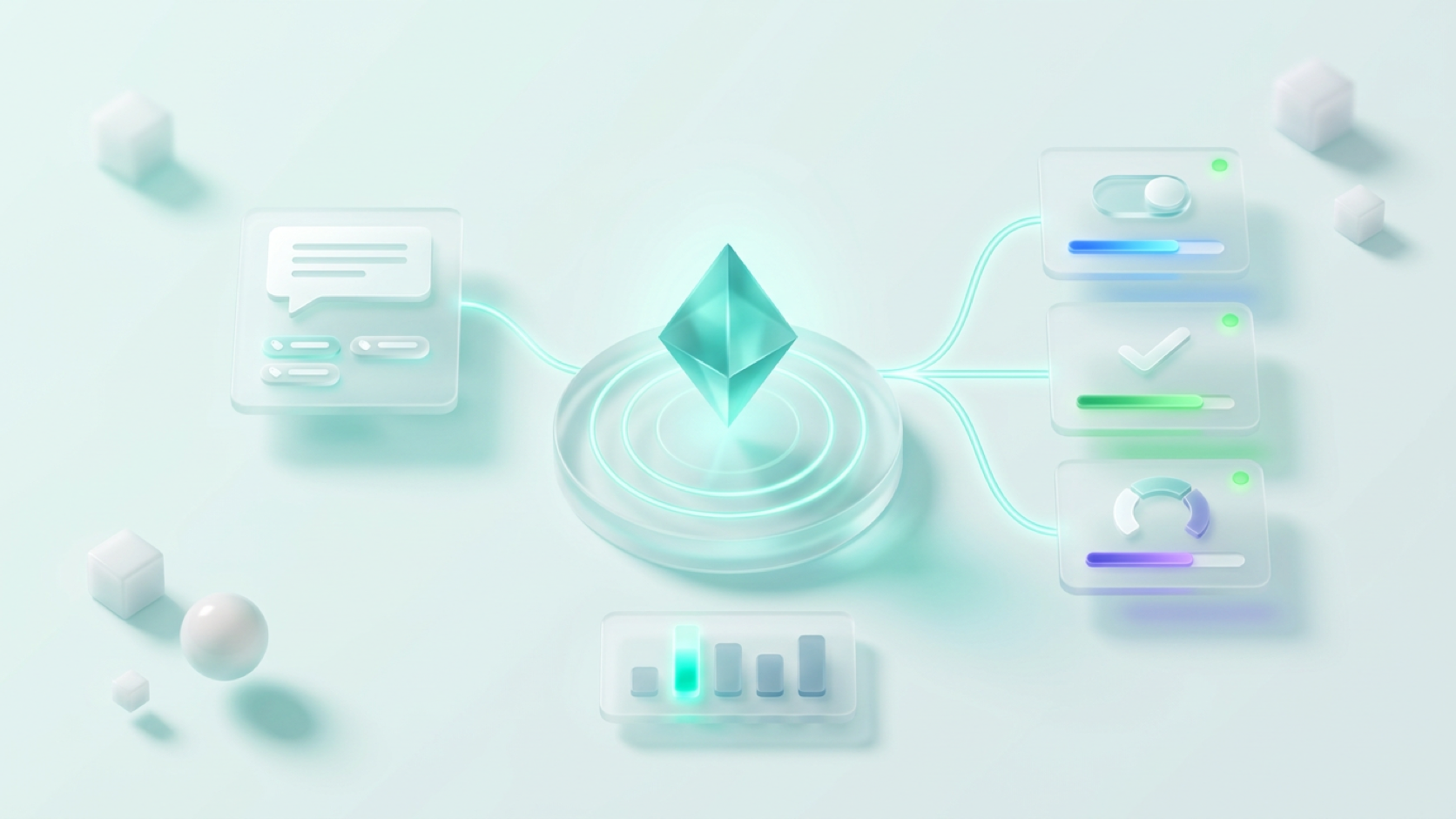
Think of OpenClaw as the sturdy platform that connects a language model's smarts to the real work of getting things done. No more confining AI to a chat box. Hook it up, and it dives into local files, fires off command-line instructions, automates browsers, hits APIs, runs scripts, or strings together complex workflows. Best of all, it works with any large language model, whether from the cloud, running locally on your machine, or mixed setups. This keeps your data private and your setup under your thumb.
Picture it like this: OpenClaw supplies the hands. The AI brain dreams up the plan; these hands make it happen. Developers chain simple tools together, turning isolated ideas into smooth sequences of action. One minute, it's scaffolding a coding project from scratch. The next, it's hunting down research notes, sorting files, or pinging services without you lifting a finger. This slashes the gap between "what if" and "done," making AI feel less like a consultant and more like a teammate.
Why Agents Beat Plain Chat Every Time
Chat AI has a built-in bottleneck: it talks a great game but leaves the heavy lifting to you. You copy its code snippet, paste it elsewhere, tweak, repeat. Agent runtimes like OpenClaw smash that cycle. The AI doesn't just suggest; it executes inside safe, controlled spaces. This fits the industry's big push toward self-running tasks, seamless orchestration, and smart human oversight. Suddenly, AI shifts from sidekick advisor to hands-on partner.
How OpenClaw Is Built to Scale
OpenClaw shines through its smart, layered design, far from a clunky all-in-one box. At the front, a gateway layer manages inputs from chats, apps, or anywhere else, keeping conversations clean and separate from the action. The cognitive core plugs in your chosen AI model to parse goals, plot steps, and pick the right tools. Security gets top billing in the sandbox layer, where everything runs in isolated containers. No risky spills onto your main system.
Then come the skills: bite-sized modules, often in JavaScript or TypeScript, that define inputs, logic, and outputs. Want to add a custom trick? Just drop in a new one. This setup invites tinkerers everywhere to build and share, fueling fast growth.
Hands Without a Full Brain: The Honest Limits
OpenClaw turbocharges what AI can touch, but it doesn't fix the brains behind it. Don't mistake these agent tools for artificial general intelligence. Today's models still falter on deep abstractions that leap across topics, true long-term memory beyond file saves, reliable multi-step reasoning over time, self-understanding, or proactive goal-chasing. They react sharply but rarely lead. OpenClaw amplifies reach without rewriting those rules.
Open Source Fuels the Fire
No surprise this came from the open-source crowd, not tech giants. Indie devs embrace wild experiments, dodge red tape, and iterate at lightning speed. Big companies? They layer on safeguards against lawsuits, which slows bold moves like local code-running. Open communities flip that script, echoing how Linux or early deep learning tools outpaced corporate labs.
Taming the Risks of Real Power
Handing AI the keys to execute opens doors to trouble: sneaky prompt hacks, rogue file grabs, bad code runs, or data leaks. OpenClaw counters with tight sandboxes, strict permissions, human approval steps, full logs, and tool-specific limits. Treat it like a sharp intern: capable, but watch it closely.
Pairing Hands with Smarter Brains Ahead
OpenClaw's magic multiplies when brains catch up. Imagine layering in lasting memory banks, symbolic logic, knowledge webs, or built-in drive. The beauty? Execution stays rock-solid as cognition levels up. No need to scrap the foundation.
Real-World Wins Happening Now
Folks already wield OpenClaw agents for everyday wins. They auto-generate docs from scattered notes, audit code for bugs, sift logs during debug marathons, spin up dev environments, or harvest data flows. These aren't job-killers; they're productivity boosters that let experts focus on the creative sparks.
A Step Toward Smarter Agents, Not AGI Yet
OpenClaw marks a milestone in software agents that live and learn through action, persistent routines, and team-ups with humans. It speeds data gathering and real-world testing, paving paths to tougher intelligence down the line. But the big prizes, cumulative smarts, profound insights, self-knowledge, and true independence? Those demand brains that evolve far beyond today's.
The shift feels inevitable. AI can wield tools like a pro. Now watch what happens when those hands meet minds ready to lead.